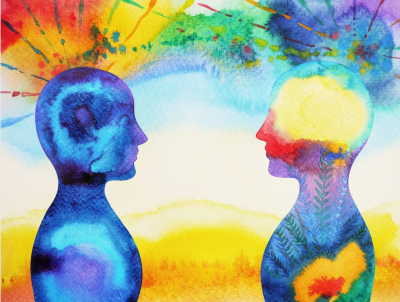
Art Therapy: The Art That Heals
Art therapy is a modern and fascinating approach to psychotherapy, where art becomes a bridge to profound transformation. Through creativity, the art therapist establishes a unique interaction with the individual, helping them understand themselves and discover new resources.
How is art therapy beneficial?
1. Rewrites the past. Traumatic events are transformed from a burden into a source of strength and inspiration.
2. Awakens the creator within. You become the author of the best version of yourself, bringing something new and extraordinary into your life. 4. Unlocks time. By working with the images of the past, present, and future, you become the master of your destiny.
In art therapy, you are always your true self. While in real life you may have to wear masks and play roles, here you find a space for self-expression and freedom. It is a path to harmony, where art becomes your guide.
Art Therapy: A Journey to Yourself Through Creativity
Art therapy is not just about creativity; it is also a powerful diagnostic tool. In our sessions, we work together to identify the problem, understand how long it has existed, and uncover the hidden “benefits” it may bring.
It is important to remember: we do not focus on weaknesses, as they lack the resources for growth. However, by exploring them, we can redirect attention to a person’s strengths, unlocking new opportunities.
What Does Art Therapy Address?
— Fears,
— Problematic behavior,
— Limiting beliefs,
— Negative experiences that hinder growth, such as anxiety, insecurity, sleep disturbances, or difficulties in communication.
The work of an art therapist is a profound transformation. And the most amazing part is that this process happens through drawing! During the sessions, genuine emotional images are created, helping to express inner feelings. These creations are filled with strength and energy because they are authentic.
Art therapy is a path to harmony, where every stroke helps heal the soul
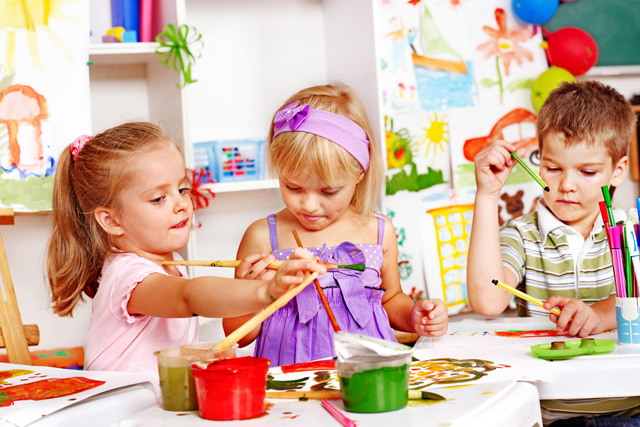
How Art Therapy Practices
Integrated methods are used in Art Therapy. The goal is to create an artistic product, with the mind, body and soul becoming a whole. The patient does not only express himself in words, but also reflects his inner world through his creations. Kinetic, sensory, perceptual and symbolic methods come together to reveal much more than words can express.
Art Therapy removes the limiting barrier of words. Memories, feelings and thoughts that we sometimes find difficult to express in words or do not want to put into words can be expressed non-verbally through Art Therapy. Visual and symbolic reflections give voice to past experiences and thoughts and help these experiences come to light.
Art Therapy can be individual or group. The therapist and the client decide which is most appropriate.
The treatment is performed in a neat and clean treatment room using a variety of materials. The client is left completely free to produce the work of art he wishes (painting, collage, drawing, etc.), without the intervention of the therapist.
The therapist usually observes the client from the outside during the creative process. During the production process, sometimes, but more often, after the creation of the work, the therapist may ask certain questions such as:
What were the easy and difficult aspects of creating this artwork?
What were your thoughts while working on the artwork? Did this artwork bring back some memories for you? How did you feel when completing the artwork?
What Are Art Therapy Techniques?
Art Therapy is much more than painting and drawing at home, and when practiced by professionals, it differs greatly from hobbies in purpose and context. The positive effects of hobbies on people's mental health are, of course, undeniable. However, the goal of Art Therapy is the expression and professional interpretation of feelings and thoughts. At the end of this process, it is expected that the patient's mental problems will decrease while their well-being will increase.
Techniques used in Art Therapy include:
Collage
Painting
Writing
Painting
Finger painting
Photo
Sculpture
Work/play with clay
To Whom Is Art Therapy Applicable?
Art Therapy can be used directly or in combination with other therapeutic techniques for many psychological disorders. For example, a therapist who practices Cognitive Behavioral Therapy (CBT) may incorporate it into the therapeutic process.
Some psychological problems and conditions that can be treated with Art Therapy are listed below:
Periodic problems (such as puberty)
Stress
Depression
Eating disorders
Emotional challenges
Problems in family and relationships
Psychological problems related to other health problems (eg stress caused by an illness)
Post-traumatic stress disorder
Psychosocial problems
Stress
Substance abuse
Art Therapy is not only for people struggling with psychological disorders.. Anyone who wants to express themselves better in their daily life and in their relationships, who wants to be more aware of their emotions and wants to manage them better, can benefit. You don't have to be an art specialist or an artist to start Art Therapy. Although various disciplines of art are utilized in this type of therapy, its purpose is different from art classes and workshops.
Art Therapy is open to clients of all ages. It can also be applied to children, where the therapist receives information about the child's age, daily life and school life. A good start would be to introduce the child to art materials they have not encountered before and encourage them to use them. The environment where children will be treated can be presented to them as a play or activity area. The goal here is not to deceive the child, instead, knowing that the child is seeing a therapist can speed up the adjustment process.
Benefits From Art Therapy
At the end of the process, the goal is for the client to be able to express himself more easily in his relationships and in society, to understand and convey more easily what he has experienced.
Art Therapy helps in the following situations:
Development of cognitive and sensorimotor skills
Better understanding of emotional reactions
Better management and expression of emotions
Increasing self-awareness
Increasing self-confidence
Revealing one's inner creative side and gaining insight
Development of social skills
Better coping with stress.


